Traditional Chinese Medicine
Acupuncture
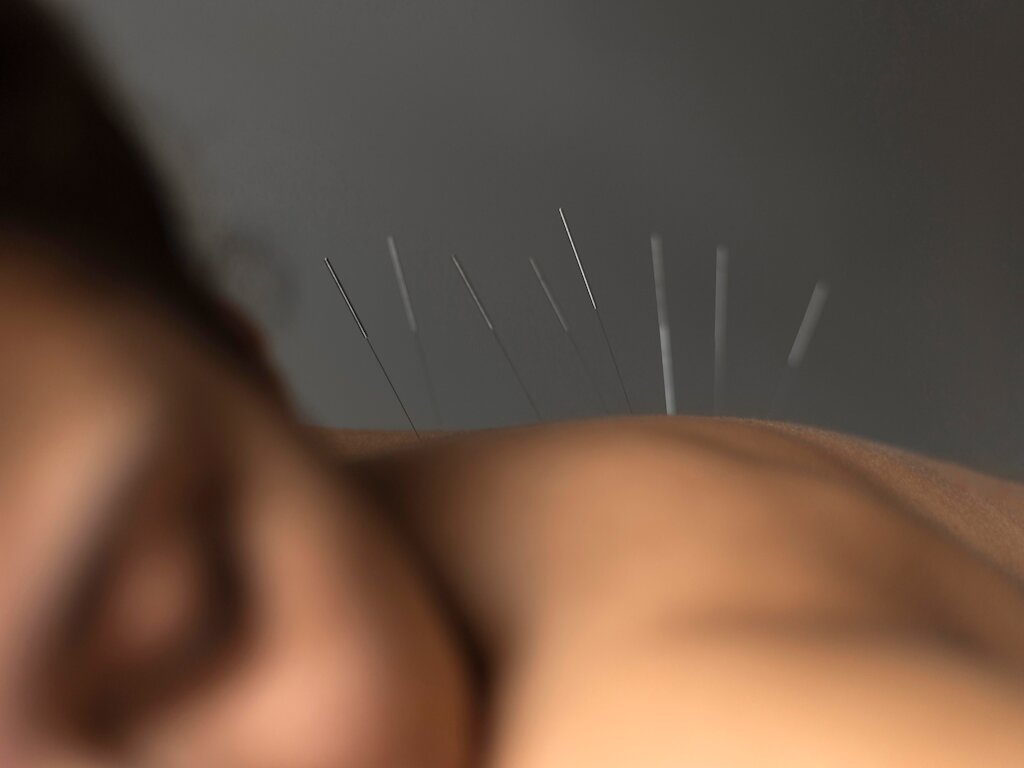
Acupuncture influences the flow of energy in the meridians through the use of fine needles. It is used for a wide range of conditions, including disorders of the digestive and respiratory systems, circulatory problems, conditions related to the nervous system, and various types of bodily pain. The long-term effects of acupuncture are well documented. Only sterile, single-use stainless steel needles are used to ensure maximum hygiene.
The effectiveness of acupuncture for pain relief has been scientifically demonstrated. An extensive German study conducted over several years showed that the success rate of acupuncture treatment for pain patients, including those suffering from migraines and back pain, was significantly higher than that of conventional medical approaches.
Tui-Na / Anmo Massage
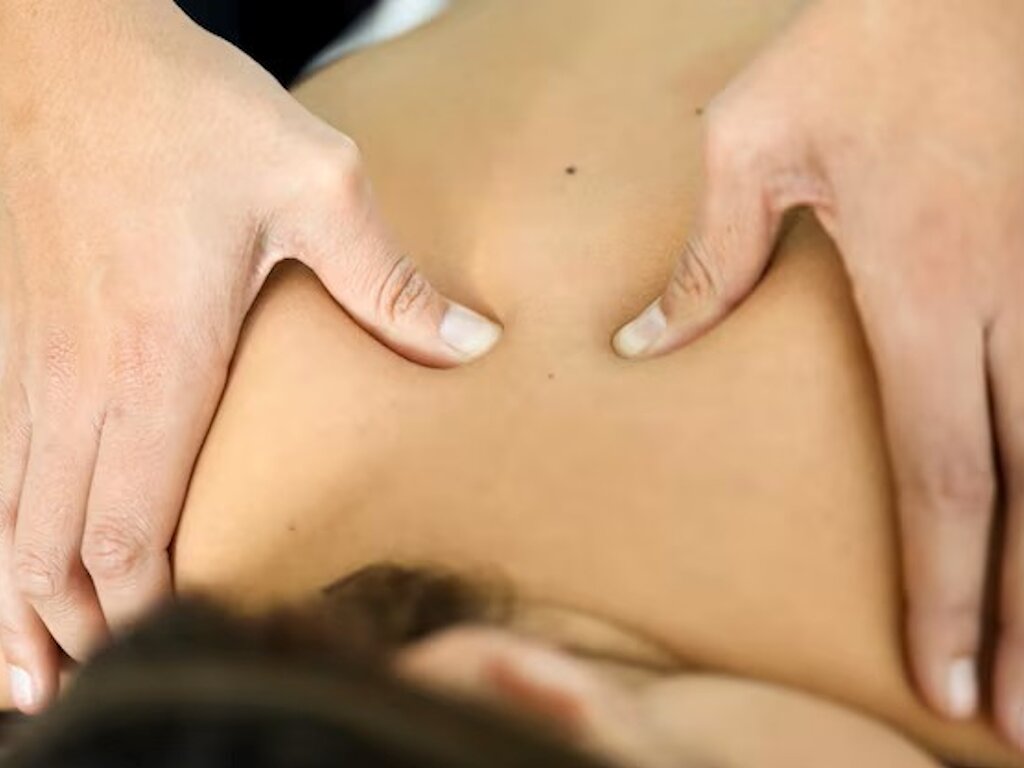
Tui Na/Anmo massage is one of the most important therapeutic methods in Traditional Chinese Medicine (TCM), alongside acupuncture and herbal medicine. During Tui Na massage, the meridians and their collateral channels are influenced through various manual techniques, with “Tui” meaning “to push” and “Na” meaning “to grasp” or “to knead.” This form of massage is primarily used to treat musculoskeletal disorders, as well as conditions in internal medicine, gynecology, and pediatrics.
Pulse Diagnosis
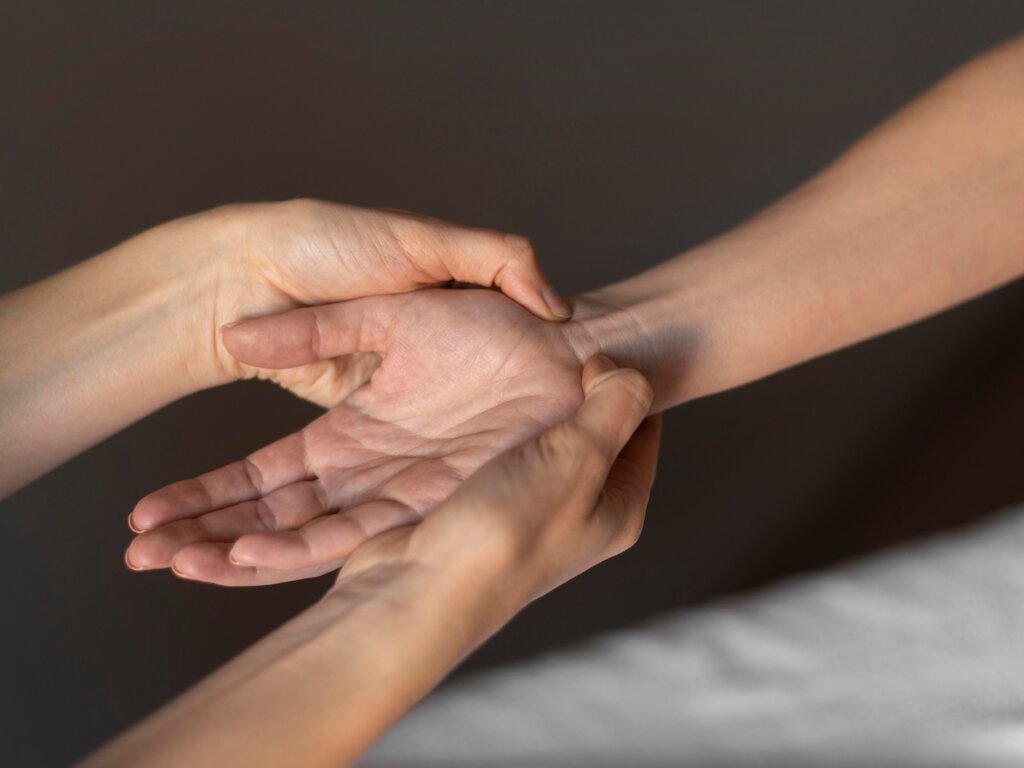
Pulse diagnosis is an established practice in Traditional Chinese Medicine (TCM). During pulse diagnosis, the TCM practitioner places three fingers on the patient’s wrist and feels the pulse for a brief moment. This method has the advantage of reflecting stable constitutional characteristics while also responding immediately to physical and emotional changes. The pulse is believed to contain comprehensive information about the various organs of the body.
The practitioner analyzes the vibrations or functional patterns of the organs: healthy organs that are functioning normally are thought to produce different pulse patterns from organs that may be in the early stages of disease. In this way, the pulse is considered to carry collective information about the body’s overall physiology. By applying different levels of pressure to the artery, different layers of the pulse can be assessed, resulting in a wide range of possible combinations and interpretations. These combinations provide insight into which organs may be affected, the nature of the imbalance, and the illnesses that could arise as a result. Combined with other TCM diagnostic methods and the conclusions drawn from them, pulse diagnosis enables the TCM practitioner to gain a comprehensive understanding of the patient’s condition.
Chinese Herbal Medicine / Phytotherapy
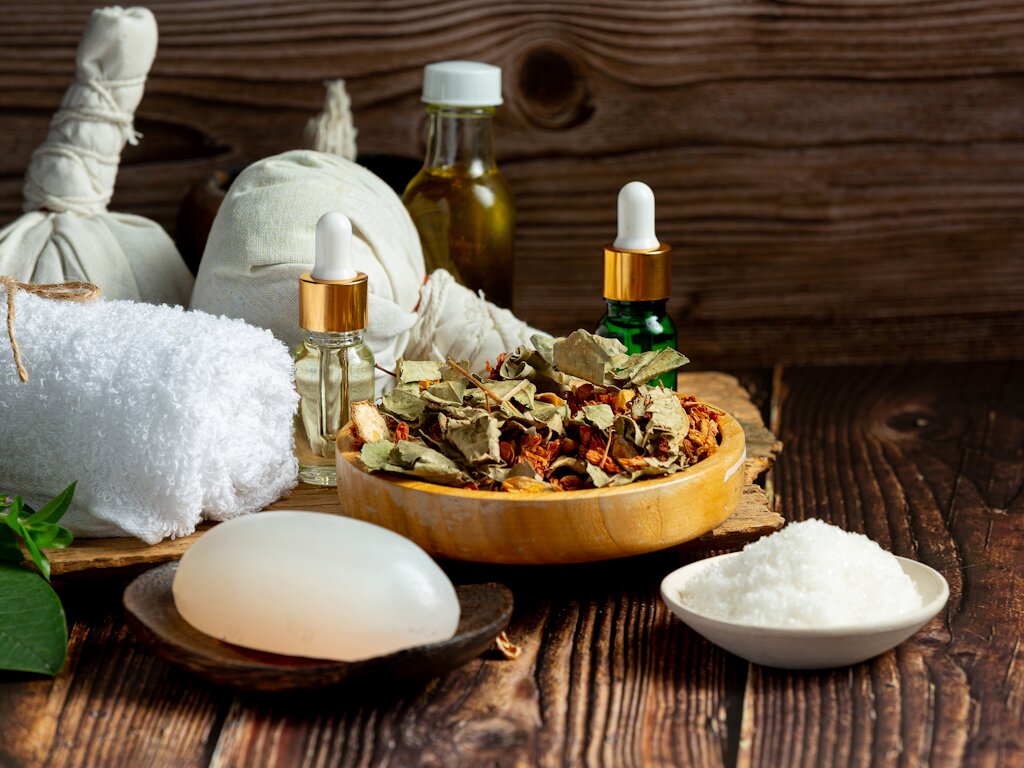
Research into Chinese herbal medicine has revealed an extensive body of literature with a history spanning more than 3,500 years. These texts describe in detail the properties of herbs, their effects, their active constituents, and their potential toxicity. These historical records, combined with modern research, provide both empirical and scientific evidence supporting the therapeutic use of Chinese herbal medicine.
In Switzerland, more than 400 important medicinal herbs are available through specialized herbal suppliers that guarantee the identity, quality, and purity of these herbs. Plant materials such as leaves, flowers, roots, and bark are most commonly used, while mineral substances or animal-derived materials, such as certain shell products, are used less frequently. Particular attention is paid to species conservation and sustainability.
Herbal medicines are typically prescribed in combinations, with the practitioner selecting between 2 and 15 individual herbs to create a personalized formula or prescription. These are most commonly prepared and taken as a decoction, although other forms of administration are also available, including granules (instant powders), tablets, and capsules.
The herbs should be taken according to specific instructions tailored to the individual needs of the patient and should be followed carefully. Granules are ideally dissolved in hot water before consumption, and ingredients such as honey or orange juice may be added to reduce the bitter taste.
Chinese herbal medicine has shown beneficial effects in the management of various health conditions, including allergies, skin disorders, irritable bowel syndrome, inflammatory bowel conditions, gastritis, hepatitis, and menstrual disorders, in addition to its use in the treatment of acute infections.
Moxibustion
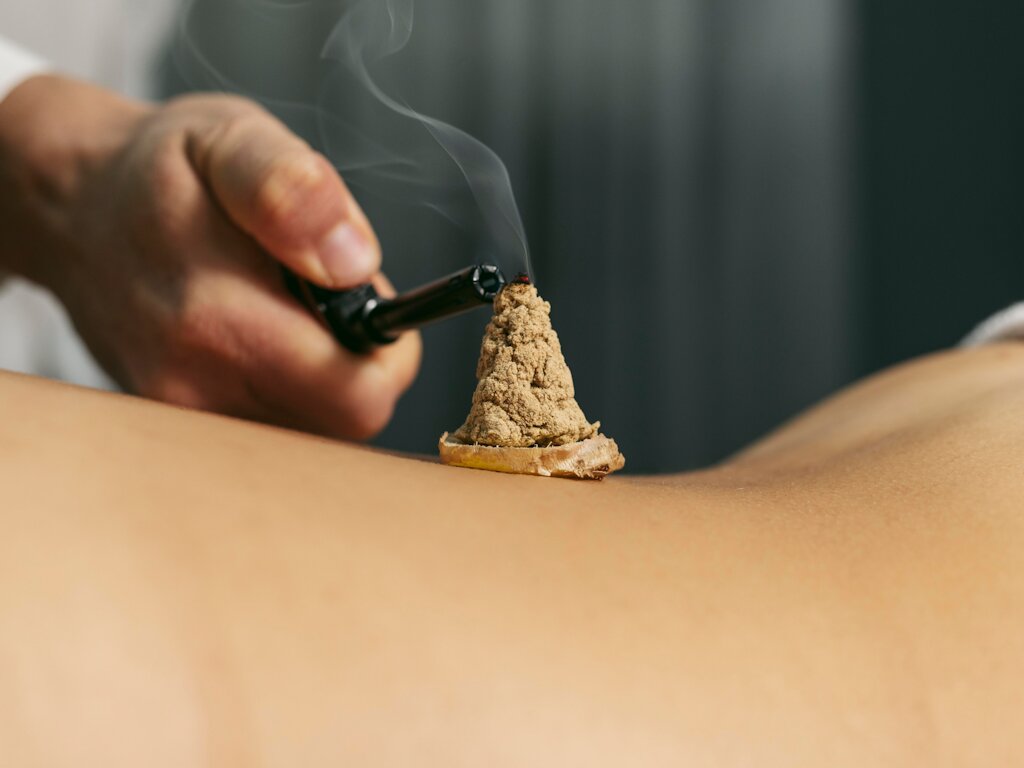
Moxa therapy, also known as moxibustion, is a technique used in Traditional Chinese Medicine (TCM) in which heat is applied to acupuncture points to stimulate the meridian system. The aim of this therapy is to promote the flow of the body’s energy, known as “Qi,” and to address blockages within this system.
Moxibustion uses mugwort herb (Artemisia vulgaris), which is wrapped in paper and formed into a cigar-shaped stick approximately 20 cm long and 1.5 cm thick. The paper is removed from one end, and the moxa stick is lit using a lighter or candle. The glowing tip is then held approximately 1 cm above the selected acupuncture point until the patient experiences a noticeable sensation of warmth. The stick is then briefly removed and the process is repeated until the skin becomes visibly reddened. After use, the glowing tip of the moxa stick is extinguished by placing it into a container filled with sand or salt. The remaining portion of the stick can be relit and reused at a later time.
One theory proposed by Western practitioners suggests that the heat stimulates nerve endings in the skin, which may in turn promote the release of hormones from the pituitary gland and adrenal glands. The warmth also promotes blood circulation and stimulates metabolic activity. In addition, the activation of the body’s immune response through heat stimulation is recognized within conventional medicine.
It is important to note that moxibustion should not be used in cases of fever, acute inflammation, during menstruation, or in individuals experiencing excessive nervousness or insomnia. Treatment should always be carried out by a qualified TCM practitioner.
Cupping Therapy
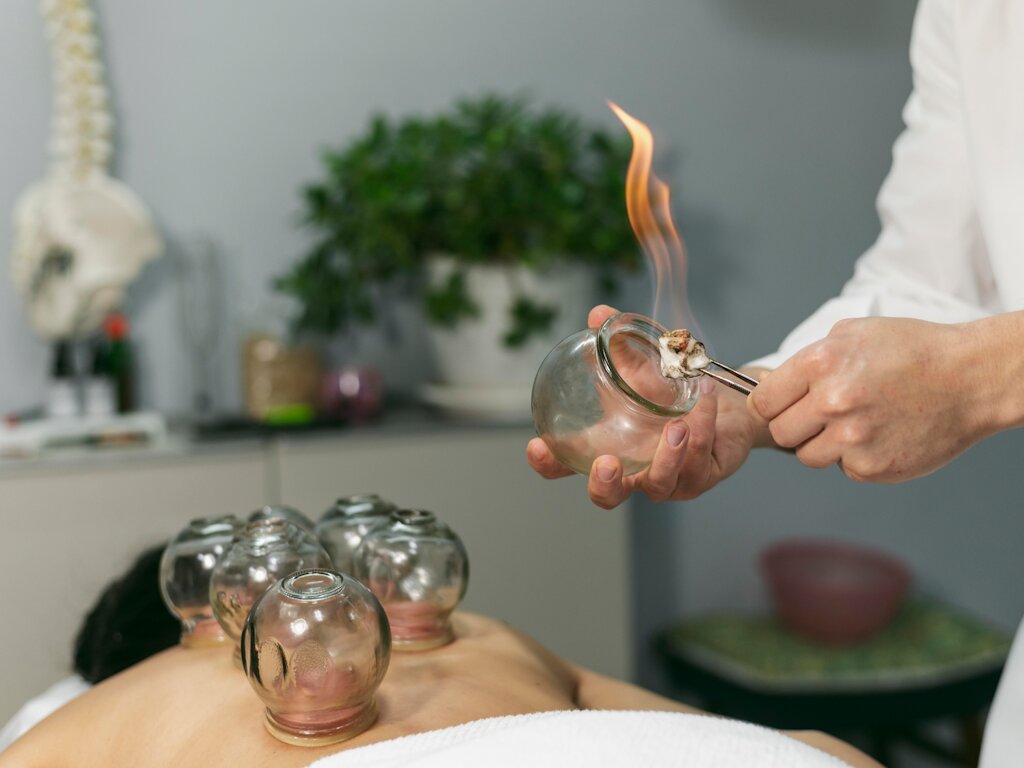
Cupping therapy involves creating a vacuum inside special cups, known as cupping cups, which are then placed directly on the patient’s skin. The negative pressure is typically created by heating the air inside the cup and immediately applying it to the skin. Traditionally, this is achieved by igniting an alcohol-soaked cotton ball, a piece of cotton fabric, or a small amount of cotton wool inside the cup. Alternatively, the vacuum can be created using a suction device attached to the cupping cup.
Cupping therapy is used in the treatment of a wide range of conditions and complaints, including migraines, rheumatic conditions, intervertebral disc problems, sciatica, knee problems, high blood pressure, bronchitis, asthma, headaches, kidney weakness, sensitivity to weather changes, low blood pressure, fatigue, depression, feelings of weakness, digestive disorders, cardiovascular conditions, organ-related disorders, fever, colds, and influenza.